10 Best High Performance Tires in 2026
This post contains affiliate links. As an Amazon Associate, we earn from qualifying purchases.
Our best overall high-performance tire is the Michelin Pilot Sport 4S for its exceptional dry grip and wet braking derived from a legendary racing lineage. For great value, consider the Firestone Firehawk Indy 500, and for year-round capability, the Pirelli P Zero All Season. Choosing the wrong tire can compromise safety and ruin your car’s handling. The right one transforms confidence in corners and stopping power. We built this guide by researching specifications, expert round-ups, and patterns in owner feedback to give you ten clear choices.
Top 10 High Performance Tires in the Market
Certain content that appears on this site comes from Amazon. This content is provided "as is" and is subject to change or removal at any time.
The Best High Performance Tires, Reviewed
Michelin Pilot Sport 4S Max Performance Tire

What We Like
- Excellent high-speed road handling and control
- Exceptional dry grip and wet braking performance
- Derived from the legendary Pilot Super Sport lineage
- Acclaimed by Mercedes-AMG, Ferrari, and Porsche
Trade-offs
- Summer-only compound loses grip in cold temperatures
Exceptional dry grip and wet braking performance define this tire, delivering the precise, confidence-inspiring feedback that serious performance drivers demand. It’s the top pick for sports car and high-powered coupe owners who prioritize ultimate traction and handling precision above all else. The Pilot Sport 4S inherits its DNA from endurance racing, which translates to stable, predictable behavior even when pushing hard on a twisty road. This is a genuine max-performance summer tire, not a compromise.
The trade-off is that it’s a dedicated warm-weather tool. Once temperatures drop, the compound hardens and grip fades, making it unsuitable for year-round use in many climates. Its 33.8-pound weight per tire also adds rotational mass, which can slightly blunt acceleration and braking response compared to a lighter option like the Firestone Firehawk Indy 500. You’re paying a premium for Michelin’s top-tier engineering and the endorsement of premier performance brands, which is evident in every corner.
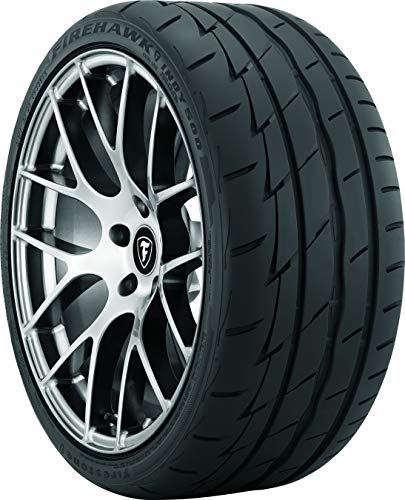
Firestone Firehawk Indy 500 Summer Performance Tire
What We Like
- Proprietary Pulse Groove channel improves water evacuation.
- Wide shoulder design increases stiffness for confident cornering.
- Improved wet compound reduces hydroplaning risk.
- Delivers ultra-high performance at a great value.
Trade-offs
- Summer-only compound unsuitable for near-freezing temperatures.
- Performance focused solely on warm, dry, and wet conditions.
A 20% shorter wet stopping distance compared to its predecessor means you can brake with more authority on rain-slicked roads, a critical safety gain. This Firestone is for the driver who wants serious summer grip without a premium price tag. Its Pulse Groove Technology actively channels water away to fight hydroplaning, while the stiff shoulder blocks dig in during aggressive cornering, giving you a planted, communicative feel from the steering wheel.
As a dedicated summer tire, its rubber compound is optimized for warm weather and will harden in colder temperatures, reducing grip. This makes it unsuitable for driving in climates with freezing winters. For drivers who store their cars during cold months, the Firehawk Indy 500 focuses its performance on providing safety and control when the roads are wet or dry and warm.
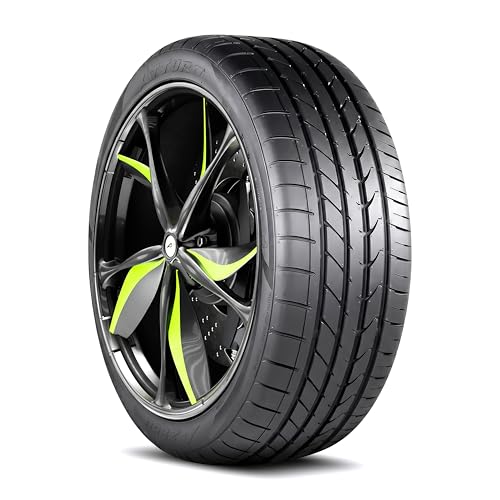
Atturo AZ850 Ultra-High Performance Summer Tire
What We Like
- Continuous center rib for precise high-speed steering.
- Large shoulder blocks for planted cornering under load.
- Four main channels for effective wet-weather water evacuation.
- Fits a wide range of coupes, sedans, SUVs, and crossovers.
Trade-offs
- Y speed rating and summer compound are unsuited for winter conditions.
- The 30.0-inch diameter requires adequate wheel well clearance.
A Y speed rating and an asymmetric tread compound mean this tire is built to handle aggressive acceleration and high-speed stability right from a standstill. It’s for the driver who wants a connected, predictable feel during spirited driving, where steering inputs translate instantly and the tire stays composed through transitions. The design prioritizes a full contact patch and lateral support from large shoulder blocks, so the car feels planted when you push it hard on a twisting road.
The Atturo AZ850 is a dedicated summer tire, which means it’s engineered for dry-road confidence and feedback rather than all-season versatility. Its UTQG rating of 320 A A indicates a balance of treadwear, traction, and temperature resistance. This focus on performance is evident from the first green light, where the asymmetric tread compound is designed for immediate grip.
Nokian Tyres LX207245457 High Performance Tire

What We Like
- Excellent ultra high performance in dry conditions.
- Tight, sustained, and consistent cornering.
- Four longitudinal grooves for efficient water channeling.
- Lateral V-grooves improve hydroplaning resistance.
Trade-offs
- Summer-only compound limits cold-weather use.
The Nokian LX207245457’s core strength is its design for tight, sustained, and consistent cornering, a direct result of its specialized summer compound and tread pattern. This makes it a compelling choice for the driver who prioritizes precise handling and feedback on twisty roads or during spirited driving. Its construction is also geared towards longevity and low noise, which is a notable benefit for a performance-oriented tire that might see daily use.
Optimized for warm, dry pavement, this is a dedicated summer tire, so its capabilities are focused on that specific seasonal use. Its four longitudinal grooves and lateral V-shaped grooves are designed to channel water, aiming to improve wet road grip and hydroplaning resistance. The design trade-off is that it lacks the year-round flexibility of an all-season tire category.
Product photos
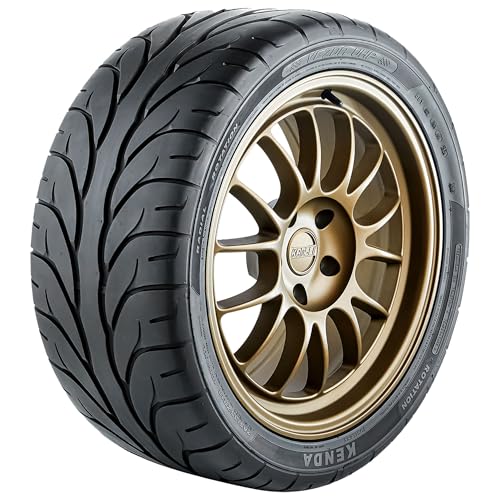
Kenda Vezda UHP Summer Racing Tire
What We Like
- W speed rating for sustained high-speed capability
- Specialized tread pattern for solid warm-weather grip
- Engineered for consistent wear during aggressive driving
- XL construction handles heavier performance vehicle loads
Trade-offs
- Unsafe for seasonal use when temperatures drop below 45°F
- At 30 pounds, it is heavier than some summer performance rivals like the Firehawk Indy 500
- Pure summer design lacks all-season versatility
Designed for performance cars in warmer weather, the Kenda Vezda UHP should not be used when temperatures are consistently below 45 degrees Fahrenheit. Its specialized tread pattern is engineered to provide solid grip and consistent performance on dry pavement. The tire is optimized for good wear and is engineered for use on both front and rear axles.
The clear trade-off is its strict warm-weather design; it becomes unsafe and ineffective when temperatures consistently fall below 45 degrees Fahrenheit. Compared to a more versatile ultra-high performance all-season tire like the Pirelli P Zero All Season, the Kenda sacrifices year-round usability for sharper warm-weather performance. Its 30-pound weight also suggests a sturdy, durable construction, which can be a benefit for wear but may slightly affect unsprung weight compared to lighter options.
Product photos
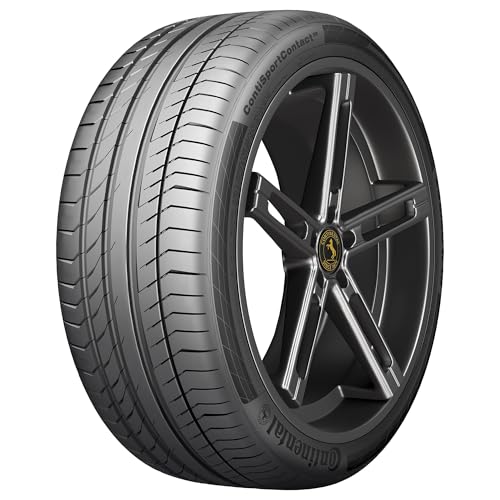
Kumho Continental Sport Contact 5P Radial Tire
What We Like
- XL (Extra Load) construction for high load capacity
- Y speed rating for sustained high-speed capability
- Asymmetrical tread design for varied performance
Trade-offs
- Summer-only compound limits use in cold temperatures
Rated to support up to 1819 pounds, this tire’s XL (Extra Load) ply rating and 51 psi maximum pressure mean it’s designed for vehicles requiring a high load capacity. Its Y speed rating and summer-specific compound maintain an ultra-high performance character even under that significant weight. This combination suits drivers who need a tire capable of handling substantial loads without sacrificing performance.
The trade-off is its seasonal focus; this is strictly a summer tire, so it’s not a choice for drivers in areas with frost. Compared to a four-season option, you gain a summer-specific design and high-load architecture but sacrifice versatility.
Product photos
Nitto NT555 G2 Performance Tire

What We Like
- Circumferential grooves channel water for wet traction
- Reinforced shoulder treads improve cornering grip
- Silica compound provides rigidity in wet and dry conditions
Trade-offs
- At 28.1 lb, it's heavier than the 23.2 lb Firehawk Indy 500 in a similar size
- Weighs 28.1 pounds, a few pounds more than some competitors.
Circumferential grooves channel water away from the contact patch, and a silica compound provides high stiffness. These features are designed to aid traction and rigidity in wet and dry cornering situations.
Weighing 28.1 pounds, the tire is heavier than some other performance tires, such as the 23.2-pound Firestone Firehawk Indy 500. The reinforced shoulder treads are engineered to improve durability and cornering grip.
Pirelli P Zero All Season Performance Tire

What We Like
- Lateral siping boosts wet cornering and hydroplaning resistance.
- Winter siping on inner blocks improves snow traction.
- Variable pitch tread sequence minimizes cabin noise.
- Circumferential grooves quickly evacuate water from the tread.
Trade-offs
- Tested wet-skidpad grip was a low 0.79 g.
- Wet braking distance of 111 feet was worst in its test group.
- Subjective feedback described handling as firm, skatey, and understeer-oriented.
This model delivers genuine four-season capability with a tread pattern engineered for specific conditions. Lateral siping on the outer shoulder targets cornering stability in the rain, while dedicated winter siping inside helps with light snow. For the driver who needs one tire to handle varied weather without swapping, this design provides a balanced, quiet solution backed by available technologies like RunFlat and noise cancellation.
This model’s wet-weather grip was the lowest in its test group, with research noting a wet skidpad result of 0.79 g and a wet braking distance of 111 feet. Test drivers described the handling as firm and understeer-oriented. This means drivers who frequently encounter heavy rain may find its limits are reached sooner than with some competitors. The tire’s design prioritizes year-round usability over being the quickest in wet conditions.
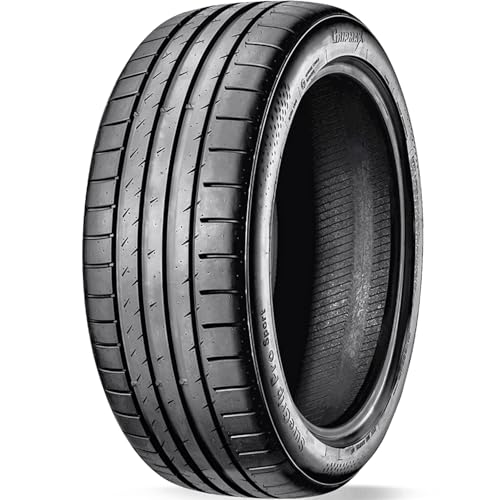
Gripmax SureGrip Pro Sport UHP Summer Tire
What We Like
- Circumferential grooves for quick water evacuation.
- Asymmetric tread design ensures high-speed lateral stability.
- Solid sidewall construction offers extra durability.
- Continuous central rib improves handling and stability.
Trade-offs
- At 45 pounds, it is the heaviest tire in this guide.
- The 305/30ZR20 size limits fitment to specific performance vehicles.
The 103Y speed rating indicates a tire certified for sustained high speeds. Its asymmetric tread design ensures lateral stability, a feature that helps maintain control during cornering. Circumferential grooves provide quick water evacuation, which aids wet-weather traction. Solid sidewall construction and a continuous central rib contribute to durability and handling.
Weighing 45 pounds, this tire is heavier than some comparable models like the 33.8-pound Michelin Pilot Sport 4S. Its design is intended for dry and wet summer conditions, with features like an optimized footprint for performance. The solid construction and shoulder design focus on stability and durability.
Product photos
Pirelli Scorpion STR All-Season SUV Tire

What We Like
- Sport Plus Technology for precise, secure wet handling.
- Traction Grooves and X-Sipes enhance snow and ice performance.
- Quick View Indicators monitor tread wear and alignment need.
Trade-offs
- Wet braking distance of 111 feet was worst in expert test.
- Wet grip measured 0.79 g, lowest in its comparison group.
- Firm, skatey feel with understeer orientation per expert notes.
The all-season design, aided by Traction Grooves and X-Sipe tech, targets security in wet and light snow. This makes it a solid premium choice for performance-oriented SUV owners who face varied weather but prioritize a sporty, connected feel from a daily driver.
The trade-off comes in outright wet-weather grip. In the referenced research, its wet-skidpad grip of 0.79 g and wet braking distance of 111 feet were the worst results in that test. Testers noted a firm, understeer-prone character, which means drivers should adjust expectations for ultimate cornering and stopping power in the rain.
Product photos
How We Evaluated High Performance Tires
This assessment is based on manufacturer specifications, documented expert evaluations, and consistent patterns in user feedback. The analysis prioritized three key criteria: traction, seasonal suitability, and vehicle fitment.
Traction includes both dry and wet grip, which is the primary reason for buying a performance tire. Seasonal suitability determines if a tire is a dedicated summer compound or an all-season design. Vehicle fitment covers load capacity, speed rating, and size compatibility.
This research-led approach provides strong guidance, but it cannot replicate the feel of a tire on your specific car.
What To Look For In High Performance Tires
High-performance tires are engineered for grip and responsiveness, but the right choice depends on your climate, driving style, and vehicle. Understanding the key differences ensures you get the performance you pay for.
Focus on the traction you need most. Dedicated summer tires offer the ultimate warm-weather grip, while all-season designs provide year-round versatility with a compromise in peak performance. Always match the tire’s speed rating and load index to your vehicle’s requirements.
Traction: Dry vs. Wet vs. All-Season
Ultra-high performance (UHP) and max-performance summer tires are designed for maximum dry-road adhesion. Their specialized rubber compounds and tread patterns, like wide shoulder blocks and circumferential grooves, provide incredible cornering force and steering precision. For wet weather, look for features like lateral V-grooves and silica-infused compounds that improve hydroplaning resistance and braking. If you need a single tire for all seasons, all-season performance tires incorporate siping and different rubber blends for light snow traction, but they typically sacrifice some dry-weather sharpness.
Seasonal Suitability & Compound
The rubber compound is critical. Pure summer tires use a soft, sticky compound that provides excellent grip in warm conditions but hardens and loses traction as temperatures drop below 45°F, becoming unsafe in cold weather. These are the best choice for drivers in warm climates or for a dedicated summer set. All-season compounds are harder and remain pliable in colder temperatures, offering safer winter performance at the expense of ultimate summer grip. Your local climate dictates this fundamental choice between a dedicated summer performance tire and an all-season model.
Vehicle Specifications & Fitment
Always verify three specifications: size, speed rating, and load index. The tire size (e.g., 225/45R17) must match your wheels. The speed rating (H, V, W, Y) indicates the maximum sustained speed the tire can safely handle and should meet or exceed your vehicle’s capability. The load index shows how much weight each tire can carry; performance SUVs and heavier cars often require XL (Extra Load) construction. Mismatching these specs can be dangerous and may void warranties.
- Check your vehicle’s door jamb sticker or owner’s manual for the manufacturer’s recommended tire size and specifications.
- Ensure the tire’s load index meets or exceeds the original equipment requirement for your vehicle.
- Confirm the speed rating is appropriate for your car’s performance level.
The most important rule: never use summer tires in near-freezing temperatures.
High Performance Tires Compared
The table below compares key attributes of all ten picks to help you see differences in seasonal use, weight, and intended vehicle type at a glance.
| Product | Tire Type | Weight | Tread Design | Seasonal Use |
|---|---|---|---|---|
| Michelin Pilot Sport 4S Max Performance Tire | Max performance summer tire | 33.8 pounds | N/A | Summer |
| Firestone Firehawk Indy 500 Summer Performance Tire | Ultra-High Summer Performance | 23.2 Pounds | Pulse Groove Technology | Summer |
| Atturo AZ850 Ultra-High Performance Summer Tire | Ultra-High Performance Summer | N/A | Asymmetric | Summer |
| Nokian Tyres LX207245457 High Performance Tire | Summer High Performance | 25.0 pounds | N/A | Summer |
| Kenda Vezda UHP Summer Racing Tire | Summer Racing | 30.0 Pounds | Specialized performance pattern | Above 45°F only |
| Kumho Continental Sport Contact 5P Radial Tire | Ultra-High Performance Radial | 28.3 pounds | Asymmetrical | Summer |
| Nitto NT555 G2 Performance Tire | N/A | 28.1 pounds | Circumferential grooves | N/A |
| Pirelli P Zero All Season Performance Tire | All Season Performance | 22.4 pounds | Lateral & winter siping, variable pitch | All Season |
| Gripmax SureGrip Pro Sport UHP Summer Tire | UHP Summer | 45.0 Pounds | Asymmetric | Summer |
| Pirelli Scorpion STR All-Season SUV Tire | All-Season SUV/Crossover | 28.0 pounds | Traction Grooves, X-Sipe | All-Season |
Frequently Asked Questions
What are the best high performance tires?
The best high-performance tire depends on your needs. For the pinnacle of dry and wet warm-weather grip, the Michelin Pilot Sport 4S is our top choice. If you need year-round capability, the Pirelli P Zero All Season is a strong option, though it trades some ultimate grip for winter usability. Budget-conscious drivers should look at the Firestone Firehawk Indy 500 for excellent value.
What are the best performance tire brands?
Brands like Michelin, Pirelli, and Nitto are consistently recognized for engineering high-performance tires with excellent grip and handling characteristics. However, the best brand for you is the one that makes the specific tire model matching your climate, vehicle, and performance priorities, as even premium brands make tires with different strengths.
What is the best all-around performance tire?
An “all-around” performance tire typically means an all-season design that provides good dry grip, competent wet braking, and light snow capability. The Pirelli P Zero All Season fits this description, offering a refined, quiet ride with legitimate year-round usability for drivers who experience mild winters.
What is the difference between UHP and max performance tires?
The difference between UHP and max performance tires is a shift in balance. Ultra-high performance (UHP) tires prioritize a blend of dry grip, wet performance, and ride comfort. Max-performance tires shift further toward ultimate dry-road adhesion and steering response, often with a firmer ride and more road noise, representing a step closer to track day tires.
Are performance tires worth it for daily driving?
Performance tires are worth it for daily driving if you value sharper handling, shorter braking distances, and increased confidence. The trade-offs of performance tires include potentially shorter tread life, a firmer ride, and higher cost. For pure daily use in varied climates, a performance all-season tire often strikes the best balance.
The Bottom Line
For drivers seeking the absolute best warm-weather traction, the Michelin Pilot Sport 4S is the definitive choice, offering legendary dry grip and impressive wet braking for sports cars and performance coupes. If your budget is a primary concern, the Firestone Firehawk Indy 500 delivers outstanding value, while those needing a single tire for year-round use should prioritize the Pirelli P Zero All Season. Ultimately, the single most important factor is matching the tire’s seasonal compound to your local climate, never compromise safety by using summer tires in cold weather.
