
10 Best Motorhome Tires in 2026
This post contains affiliate links. As an Amazon Associate, we earn from qualifying purchases.
Our best overall motorhome tire is the Goodyear Endurance All-Season Radial Tire for its 10-ply rating and reliable all-season performance. The Michelin Agilis CrossClimate excels in all-season traction, while the Transeagle ST Radial is the top choice for heavy-duty trailer applications. Choosing the wrong tire for your RV’s weight or climate creates a serious safety risk. This guide helps you match your specific rig and travel needs with a tire built for the job. The evaluation compares load capacity, construction, seasonal performance, and durability patterns.
Top 10 Motorhome Tires in the Market
Certain content that appears on this site comes from Amazon. This content is provided "as is" and is subject to change or removal at any time.
The Best Motorhome Tires, Reviewed
Goodyear Endurance All-Season Radial Tire

What We Like
- E/10 ply rating for strong load capacity
- All-season radial design for varied conditions
- Moderate 33.0-pound weight for its class
Trade-offs
- N speed rating is lower than many commercial tires.
- Lacks the reinforced sidewalls of heavier commercial tires.
With an E/10 ply rating, this tire is built for substantial load capacity, a key factor for heavier-duty applications. Its 33-pound weight is lighter than many comparable commercial tires, which can make a practical difference during installation. The tire’s size, 28.3 inches in diameter, positions it within a specific range of fitments.
The N speed rating indicates a design for sustained highway travel up to a defined limit. Compared to other products, its weight is significantly less than the 53-pound Transeagle ST Radial, offering a handling advantage. This Goodyear model is categorized as a passenger car touring tire, which informs its intended use case.
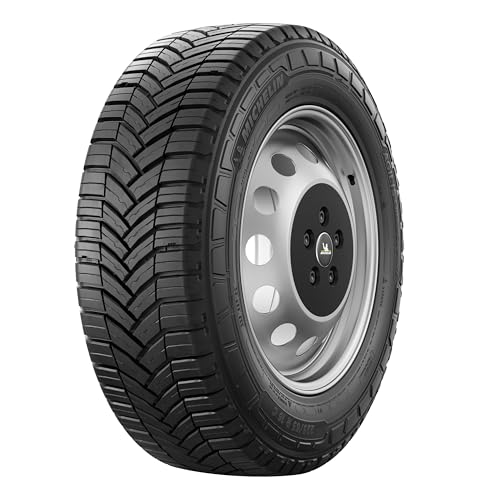
Michelin Agilis CrossClimate All-Season Radial Tire
What We Like
- Shorter wet braking distances than leading competitors
- CurbGard Protectors improve sidewall durability
- StabiliBlock Tech resists torque for cool high-speed running
- 3PMSF rating and SipeLock design for snow grip
Trade-offs
- Weighs 37.0 pounds
- Requires a commercial vehicle application
The Agilis CrossClimate’s 3PMSF snow rating and SipeLock design mean you get genuine all-weather security, not just three-season capability. That’s the core of its all-season performance. It suits motorhome owners who face varied conditions on their routes and need a tire that won’t hesitate in a sudden mountain pass snow shower or a heavy downpour. The construction is built for the abuse of commercial service, which translates to a tire that can handle the weight and torque of a loaded RV without sweating.
This commercial-grade tire carries a 37-pound weight, a tangible result of its MaxPressure profile and reinforced construction built for high torque and heavy loads. That heft translates to a tire designed for vehicles worked hard in all seasons, not just fair-weather use. You’re trading some simplicity for the confidence of professional-grade durability when roads get rough or weather turns.
Transeagle ST Radial All-Season Tire

What We Like
- All-steel, 16-ply radial construction for durability
- Certified for sustained highway speeds up to 75 mph
- All-season tread design for varied weather use
Trade-offs
- At 53 pounds, it is heavier than many trailer tires
- Requires a 16-inch wheel; rim not included
This all-steel, 16-ply construction is built to handle the substantial weight and stress of a fully loaded rig, giving you a margin of safety over your axle ratings. The L speed rating means you can confidently maintain 75 mph on the interstate, and the all-season compound provides predictable handling whether the road is wet or dry. It’s a spec sheet built for owners who prioritize maximum load support and structural integrity above all else.
Each tire weighs 53.0 pounds, which is heavier than some other trailer tires. For the largest trailers and motorhomes where maximum load capacity is the primary requirement, this tire’s specifications are designed to meet that need. For applications with lower weight demands, a different tire may be less physically demanding to handle.
Product photos
Sailun S637SP Commercial Tire

What We Like
- Shallow tread lowers rolling resistance for fuel savings
- Sidewall ribs resist curbing and abrasion damage
- Multi-sipes enhance wet-weather traction and dissipate heat
- Tread grooves are designed to reduce irregular wear
Trade-offs
- At 65.0 lb, it's a heavy tire for DIY installation
A shallow tread design directly targets rolling resistance, which translates to measurable fuel savings on long motorhome trips. This tire suits an owner whose primary goal is reducing operating costs over thousands of highway miles. Its multi-siped pattern and sidewall protection ribs add practical durability for regional driving, making it a smart pick for fuel-conscious RVers who stick to paved roads.
Designed for regional trucks and RVs, the Sailun S637SP uses a shallow tread to lower rolling resistance, which can help reduce fuel costs over long highway miles. Its construction still meets the demands of commercial service, with sidewall ribs that guard against curb damage. Compared to a dedicated winter tire like the Bridgestone Blizzak, its focus remains on sustained economy rather than deep-winter traction.
Product photos
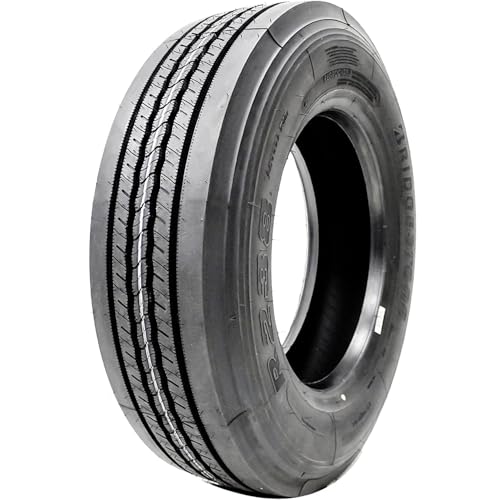
Bridgestone R238 Commercial Tire
What We Like
- Heavy 66-pound construction for durability
- Specific motorhome and RV tire category
- Large 32-inch package dimensions for big rig fitment
Trade-offs
- At 66 pounds, handling requires equipment or two people.
- 32-inch package dimensions demand significant storage space.
Sold as a motorhome and RV tire, the Bridgestone R238 is categorized for the largest Class A rigs and commercial vehicles where load capacity is critical. Its large size and substantial weight reflect a design focused on heavy-duty service rather than light-duty use. This positioning makes it a logical choice for owners of large platforms where structural integrity is the priority.
That focus on heavy-duty service comes with physical heft, as the tire ships in a package weighing 66 pounds. This weight means you’ll need a tire shop or a strong helper for mounting. It is a purpose-built component for large platforms, not a general-use tire for lighter trailers or vans.
Michelin XRV Commercial Truck Radial Tire

What We Like
- Commercial truck radial construction for heavy loads
- Manufactured in the United States
Trade-offs
- Weighs 80 pounds, requiring professional mounting equipment
With its 235/80R22.5 size, this commercial truck radial fits the largest motor home and RV applications. The product’s listing in the Motor Home & RV Tires category indicates its intended use for such vehicles. Its 80-pound weight and commercial radial construction signal a focus on substantial chassis demands.
The trade-off is significant weight and specialized fitment. At 80 pounds per tire, installation is a job for a shop with the right equipment, not a DIY project. Compared to the 33-pound Goodyear Endurance, the Michelin XRV serves a completely different segment of the market. It’s a purpose-built component for a heavy-duty vehicle, not a general upgrade.
Product photos
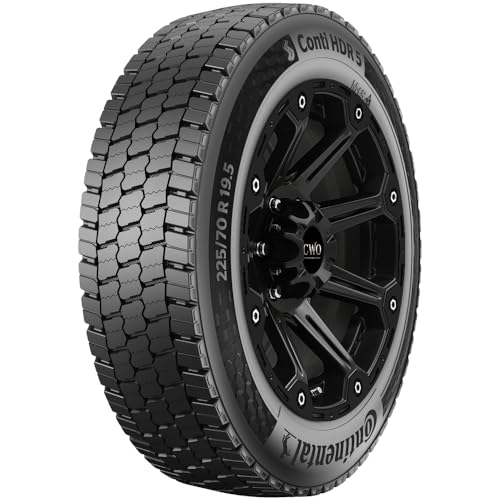
Continental HDR 5 Commercial Tire
What We Like
- All-season compound for year-round highway use.
- Fuel-efficient commercial tire construction.
- Heavy-duty 14-ply Load Range G capacity.
- Designed specifically for commercial vehicle applications.
Trade-offs
- No treadlife warranty information is provided.
- Sold as a tire only, without mounting or service.
Continental’s HDR 5 is a fuel-efficient commercial tire, a design that can reduce rolling resistance for potential cost savings over many highway miles. Its all-season, highway performance rating suits it for extended commercial or RV use. The 14-ply Load Range G construction indicates a high load capacity for heavy vehicles.
The trade-off for that heavy-duty construction and fuel-saving design is physical weight. You’re getting a commercial-grade tire designed for sustained highway travel, so it excels in that role but lacks the lighter weight of some passenger-vehicle-derived RV tires.
eCustomRim All-Season Trailer Tire

What We Like
- Deep tread design for varied road traction
- Scuff guard sidewall protects from curb damage
- Extra-thick rubber sidewall for durability
- Full nylon overlay cap enhances stability
Trade-offs
- Load capacity is suited for mid-size trailers, not the heaviest motorhomes.
- Smaller 26.1-inch diameter fits specific trailer applications.
With a load capacity of 2040 pounds per tire at 65 PSI, this set is built to handle the substantial weight of a mid-size travel trailer without strain. The eCustomRim All-Season Trailer Tire offers dependable, heavy-duty construction. Its deep tread and proprietary scuff guard focus on longevity, making it a solid choice for frequent, long-distance hauling where sidewall damage is a common concern. You get a tire designed to endure the miles, not just complete the trip.
The trade-off is in the details that define its budget-friendly position. The reinforced internal construction adds weight, a tangible sign of its durable build but also a factor in unsprung mass. Compared directly to the Goodyear Endurance, another all-season trailer tire, the eCustomRim offers similar core specs in a heavier package. This makes it a capable workhorse for standard trailer duty, though it doesn’t target the higher load indexes or specialized compounds found in commercial-grade options like the Sailun S637SP.
Bridgestone Blizzak LT Winter Tire

What We Like
- Engineered for heavy-duty winter performance
- Improved handling on wet, snow, and ice
- Fit type is vehicle specific
- Reported to last an extra winter season
Trade-offs
- Winter-specific tread compromises warm, dry weather handling
A 2680-pound load capacity per tire gives a Class C or smaller motorhome solid support for winter travel. This tire is engineered specifically for heavy-duty winter performance, with a tread compound and pattern focused on wet, snow, and icy conditions. It’s the right choice for an RV owner who must drive in severe winter weather and prioritizes maximum traction over year-round versatility. The manufacturer’s claim of lasting an extra winter season suggests a focus on durable cold-weather compound life.
Engineered specifically for heavy-duty winter performance, the Bridgestone Blizzak LT is a dedicated snow and ice tire, so its tread compound and design prioritize maximum grip in severe conditions over year-round versatility. This focus means its handling on warm, dry pavement will be less precise than an all-season tire’s, and its specialized rubber may wear faster during summer use. Weighing 36.9 pounds, it carries a substantial mass for its dimensions, a factor vehicle owners should account for during seasonal changes.
Continental Conti Scandinavia HD3 Commercial Tire

What We Like
- Four zigzag grooves expel water and slush
- Designed for drive axle traction
- 3D sipes enhance grip
Trade-offs
- Cannot be used in consistent temperatures above 45°F
- Specific to 225/70R19.5 fitment, limiting vehicle compatibility
The Continental Conti Scandinavia HD3 is built around a core principle: maintaining grip when the pavement disappears under snow and ice. Its 3D sipes and four deep zigzag grooves are engineered to bite and clear slush, which translates directly to confident control for a heavy motorhome in a blizzard. This tire is for the driver who plans to travel through severe winter conditions and needs a dedicated tool for that single, critical job. Its design focus is purely on maximizing cold-weather security for commercial-grade vehicles.
That specialized winter performance requires removing the tires when temperatures are consistently above 45 degrees Fahrenheit, making a seasonal swap necessary. For operations that continue through warmer months, an all-season commercial tire would avoid this chore. The Michelin Agilis CrossClimate is one all-season alternative, though at 37 pounds it is significantly lighter than the 65-pound Conti Scandinavia.
Product photos
How We Evaluated Motorhome Tires
Our evaluation is based on manufacturer specifications, industry load and speed rating standards, and patterns in owner feedback from commercial forums and review platforms. We prioritized load range and ply rating because your tire’s capacity must exceed your vehicle’s actual weight, a critical factor in preventing blowouts.
Construction type, seasonal traction certifications, and sidewall protection features were also key criteria, as they directly impact durability and safety in varied conditions. A research-led approach cannot replicate thousands of miles of road wear, so we rely on documented specs and aggregated owner experiences to identify reliable performers.
What To Look For In Motorhome Tires
The right motorhome tire is a safety component, not just a wear item. Key differences in load capacity, construction, and seasonal design determine which tire is right for your specific vehicle and travel plans.
Focus on load range first, your tire’s capacity must exceed your RV’s actual weight. Then, match the tire’s construction (ST, LT, or commercial) to your vehicle type, and choose a tread design for your typical climate.
Load Range and Ply Rating
The load range, indicated by a letter like E or G, and its corresponding ply rating are the most critical specs. This number tells you the maximum weight each tire can safely support. For motorhomes, an E load range (10-ply) is a common minimum, while larger rigs often require F or G ranges.
You must know your vehicle’s actual axle weights, which can be measured at a truck scale, to select a tire with sufficient capacity. Under-inflated or overloaded tires are a leading cause of failure. For the heaviest applications, consider dedicated heavy-duty RV tires.
Tire Construction: ST vs. LT vs. Commercial
Tires are engineered for specific vehicle types. ST (Special Trailer) tires are for towable RVs and are not designed for steering axles. LT (Light Truck) tires are for pickup trucks and some smaller Class C motorhomes. Commercial truck radials are for large Class A diesel pushers and commercial vehicles. Using the wrong type, like putting an ST tire on a motorhome’s drive axle, is dangerous. Our guide on ST vs LT tires explains these differences in detail. Always follow your vehicle manufacturer’s recommended tire type and size.
Seasonal Performance and Tread Life
Consider where and when you travel. An all-season tire with a Three-Peak Mountain Snowflake (3PMSF) symbol offers better snow traction than a standard all-season but is not a true winter tire. For reliable travel in severe winter conditions, a dedicated winter tire like the Bridgestone Blizzak is necessary, though it wears quickly in warm weather.
In predominantly warm, dry climates, a highway-focused tread may offer longer life. Tread life warranties are rare for commercial-grade RV tires, so construction quality and replacement based on age (often 5–7 years) become more relevant metrics. See our guide on when to replace RV tires.
- Check the sidewall for the load range letter and load index number.
- Verify the tire’s speed rating meets your travel needs.
- Look for reinforced sidewalls or curb guards if you frequently navigate tight spaces.
- Ensure the size (e.g., 225/75R16) exactly matches your current tires or vehicle spec. For specific sizes, research options like the best 225/75R16 motorhome tires.
A tire’s load capacity is its most important number, always choose a tire rated for more weight than your rig actually carries.
Motorhome Tires Compared
The table below compares key specifications for our top picks to help you see the differences at a glance.
| Product | Size | Load Range/Index | Season/Type | Weight |
|---|---|---|---|---|
| Goodyear Endurance All-Season Radial Tire | 225/75R15 | 117N | All-Season | 33.0 pounds |
| Michelin Agilis CrossClimate All-Season Radial Tire | 225/75R16C | 121/120R LRE | All-season radial car tire | 37.0 pounds |
| Transeagle ST Radial All-Season Tire | ST235/80R16 | 130/126L | All Season | 53.0 pounds |
| Sailun S637SP Commercial Tire | 225/70R19.5 | 128/126L | Commercial Tire | 65.0 pounds |
| Bridgestone R238 Commercial Tire | 225/70R19.5 | F/12 | Commercial Tire | 66.0 lb |
| Michelin XRV Commercial Truck Radial Tire | 235/80R22.5 | 0Q | Commercial Truck Radial Tire | 80.0 pounds |
| Continental HDR 5 Commercial Tire | 225X70R19.5 | G, 14-Ply Rated | All Season, Commercial | 61.0 pounds |
| eCustomRim All-Season Trailer Tire | ST205/75R14 | D | All Season Trailer Tire | 40.0 Pounds |
| Bridgestone Blizzak LT Winter Tire | LT225/75R16 | 115 R E | Winter/Snow Commercial Light Truck | 36.9 pounds |
| Continental Conti Scandinavia HD3 Commercial Tire | 225/70R19.5 | 128N G | Winter tire | 65.0 pounds |
Frequently Asked Questions
Who makes the best motorhome tires?
Leading brands like Goodyear, Michelin, and Bridgestone consistently produce high-quality motorhome tires with strong reputations for durability. The “best” brand depends entirely on your specific need, such as the Michelin Agilis for all-weather performance or a Transeagle for maximum heavy-duty load capacity. We recommend focusing on the tire’s specifications rather than the brand name alone.
What brand of tires should I stay away from?
We avoid recommending specific brands to avoid, as product lines change. Instead, steer clear of any tire, regardless of brand, that does not clearly list its load range, speed rating, and proper application (ST, LT, Commercial). Tires with outdated DOT date codes (over a few years old) or unusually low prices for a given load capacity should also be approached with caution.
What is the average lifespan of motorhome tires?
Motorhome tires typically age out before they wear out, with a general service life of 5 to 7 years from the manufacture date, even with low mileage. Ultraviolet light, weather, and infrequent use degrade the rubber compounds over time. Regularly inspect tires for sidewall cracking and tread deformities, and always replace RV tires based on their age and condition, not just tread depth.
How many ply should RV tires be?
Ply rating indicates strength, not literal fabric layers. Most motorhomes require a minimum of a 10-ply (Load Range E) tire. Larger Class A motorhomes often need 12-ply (F) or 14-ply (G) tires. The correct ply rating is determined by your RV’s actual weight per tire; you must weigh your RV at a scale to get an accurate number before choosing.
Should I use a tire pressure monitoring system?
Yes, a tire pressure monitoring system (TPMS) is a valuable safety investment for any motorhome. It provides real-time alerts for slow leaks or pressure loss, which are difficult to detect on dual-wheel axles. Catching a problem early can prevent a blowout and significant damage. Many modern TPMS for trailers offer wireless sensors for easy monitoring.
The Bottom Line
The Goodyear Endurance All-Season Radial Tire is our best overall pick for most owners needing a dependable, high-load-capacity tire for a Class C or smaller Class A motorhome. For budget-focused trailer owners, the eCustomRim pack offers value, while those facing harsh winters should consider the dedicated Bridgestone Blizzak. No feature outweighs the necessity of choosing a tire with a load capacity that safely exceeds your RV’s actual weight, this is the non-negotiable foundation of safe travels.
