7 Best Run Flat Tires in 2026
This post contains affiliate links. As an Amazon Associate, we earn from qualifying purchases.
Bridgestone DriveGuard All Season Passenger Tire is the best overall pick because its all-season traction, reinforced sidewall, and substantial run-flat range support safe post-puncture travel. We also highlight the Michelin Pilot Sport 4 S ZP Performance Tire for extra load capacity and the Bridgestone Alenza Sport A/S Run-Flat SUV Tire for SUV owners.
The main worry is being stranded after a puncture, especially where changing a tire is unsafe or inconvenient. Run-flat tires address that by using reinforced sidewalls to keep a deflated tire usable long enough to reach service. Fitment, load rating, speed rating, tread life, and ride comfort matter more than brand labels.
This guide uses manufacturer specs, published tire standards, owner-reported patterns, and expert tire guidance to compare seven options. We focus on how each tire’s size, rating, and construction fit real vehicles, then rank picks by use case.
Top 7 Run Flat Tires in the Market
Certain content that appears on this site comes from Amazon. This content is provided "as is" and is subject to change or removal at any time.
The Best Run Flat Tires, Reviewed
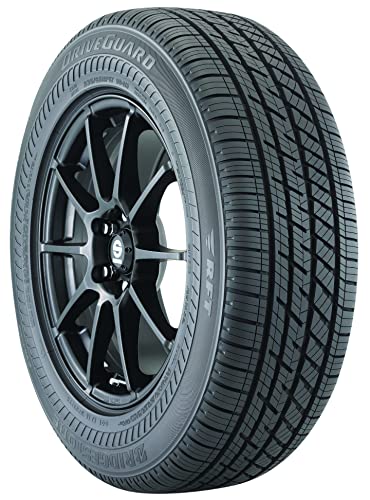
Bridgestone DriveGuard All Season Passenger Tire
What We Like
- All-season design for year-round traction
- Enhanced heat dispersal for longer tread life
- Reinforced sidewall ensures consistent performance
- Substantial run-flat range for safe post-puncture travel
Trade-offs
- Run-flat operation limited to under 50 MPH
- Specific speed rating required for 60,000-mile warranty
Run flat technology allows drivers to go up to 50 miles at speeds less than 50 MPH after a puncture, letting you safely reach a service station instead of changing a tire on the roadside. This Bridgestone DriveGuard All Season tire is built for year-round traction, and its tread life is backed by a limited manufacturer warranty of 50,000 or 60,000 miles. For the commuter, it combines the security of continued mobility after air loss with the practicality of a long-lasting, all-season passenger tire.
The run-flat capability requires keeping speed under 50 MPH after pressure loss, so your trip to the repair shop will be a cautious one. Its reinforced sidewall and casing improve rigidity for consistent performance when running without air. This construction is a fundamental part of the run-flat design, a feature shared with other tires in the category like the Pirelli Cinturato P7 All Season Run Flat.
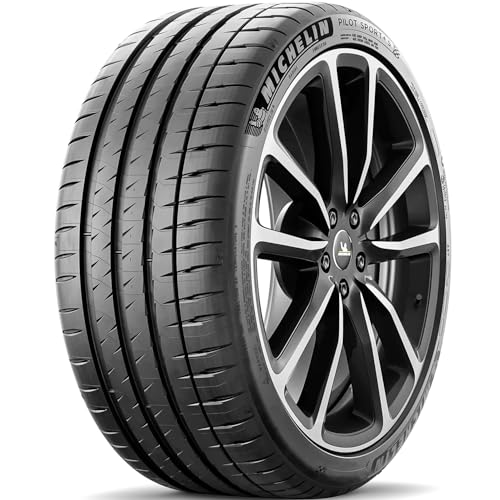
Michelin Pilot Sport 4 S ZP Performance Tire
What We Like
- ZP (Zero Pressure) run-flat capability.
- 91Y Extra Load rating for high capacity.
- Performance-oriented 255/30ZR19 size.
- Relatively light weight for its class.
Trade-offs
- Specific 255/30ZR19 size limits vehicle fitment.
The 91Y Extra Load rating is the key spec here, signaling a tire built to handle the substantial weight and cornering forces of high-performance vehicles, even after a puncture. This Michelin fits drivers who prioritize maximum grip and security for a sports car or performance sedan, trading some ride comfort for the assurance of its ZP run-flat design. Its 255/30ZR19 dimensions and low profile are tailored for precise steering response.
For drivers who value a smoother ride over ultimate handling sharpness, an all-season run-flat like the Pirelli Cinturato P7 All Season with a taller sidewall would be a better match. The Michelin’s strength is delivering uncompromised performance security, but it demands a vehicle and driving style suited to its focused design.
Bridgestone Alenza Sport A/S Run-Flat SUV Tire

What We Like
- Extra Load rating for SUV weight capacity
- Run-flat design for continued mobility
- Specific SUV tire construction
- 275/45R20 size fits many modern SUVs
Trade-offs
- Large 29.8-inch diameter requires compatible wheel clearance
- Single-unit packaging means buying multiples separately
The 110 Extra Load rating is the key spec here, meaning this tire is engineered to handle the substantial weight of a modern SUV. That’s why it’s a fit for drivers of three-row family haulers or luxury SUVs who need a tire built for their vehicle’s mass, not just its wheel size. The Alenza Sport A/S Run-Flat adds the security of run-flat technology, so a puncture doesn’t mean being stranded on the shoulder with a full load of passengers or cargo.
Bridgestone Alenza Sport A/S tires weigh 39.4 pounds each, a substantial mass that reflects their Extra Load rating and run-flat construction for SUVs. This weight is part of a trade-off for greater load capacity and the ability to drive on a puncture, priorities for many SUV owners. For comparison, the Michelin Primacy 3 ZP passenger tire is listed at 29.5 pounds.
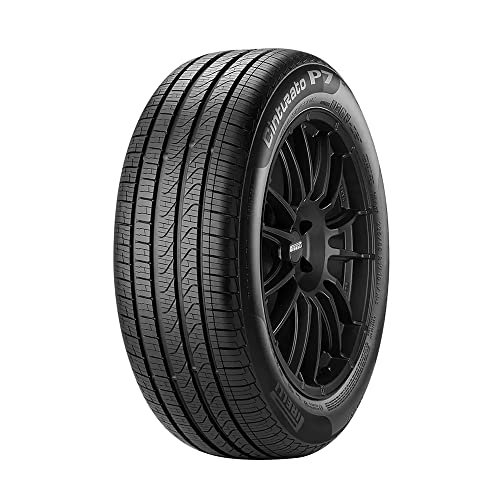
Pirelli Cinturato P7 All Season Run Flat Tire
What We Like
- H speed rating for sustained highway travel
- All-season radial construction for year-round use
- Run-flat capability for continued mobility after puncture
- 91 load index supports standard sedan weight
Trade-offs
- 22.0 lb weight adds unsprung mass versus non-run-flats
- H rating limits sustained speed versus V or ZR competitors
- Specific 205/55R17 size limits vehicle fitment options
This Pirelli tire carries an H speed rating and a 91 load index, specifications that match the requirements for many passenger vehicles. Its all-season radial construction is indicated for varied conditions, and the run-flat feature is part of the design. The listed dimensions show a diameter just over 25 inches, which is a common fit for wheels using a 205/55R17 size.
The trade-off for that run-flat security is 22.0 pounds of rotating mass at each corner, which can subtly affect ride harshness and acceleration compared to a standard tire. If your priority is outright dry and wet grip for a sport sedan, you’d look at a performance-focused run-flat like the Michelin Pilot Sport 4 S ZP. That tire carries a higher Y speed rating and a stickier compound, but likely sacrifices some all-weather comfort.
Product photos
Continental ContiProContact SSR Run Flat Tire

What We Like
- Up to 80,000-mile treadwear coverage for long life.
- Enhanced traction in wet, dry, and light snow.
- Advanced tread pattern reduces road noise significantly.
- Specifically tuned for precise OE fit and performance.
Trade-offs
- At 27.8 lb, it's heavier than the Pirelli Cinturato P7 All Season Run Flat (22.0 lb).
- Weighs 27.8 lb, heavier than the Pirelli Cinturato P7 All Season Run Flat (22.0 lb)
An 80,000-mile limited treadwear warranty is the standout spec here, signaling a tire engineered for lasting value and predictable long-term cost. This Continental is for the driver who wants a true set-it-and-forget-it run flat, prioritizing a smooth, quiet ride and reliable all-season traction over extreme performance. It’s a smart, durable choice for daily commutes and family sedans where replacing tires is a chore you’d rather do less often.
Continental backs this tire with up to 80,000-mile treadwear coverage, promising long-term value from a single set. Its V speed rating is sufficient for highway travel, but it is not the highest rating available for maximum performance driving. The construction is tuned for a smooth, comfortable ride with minimal road vibrations, prioritizing daily driving refinement over track-focused grip.
Product photos
Pirelli Cinturato P7 A/S All Season Run Flat
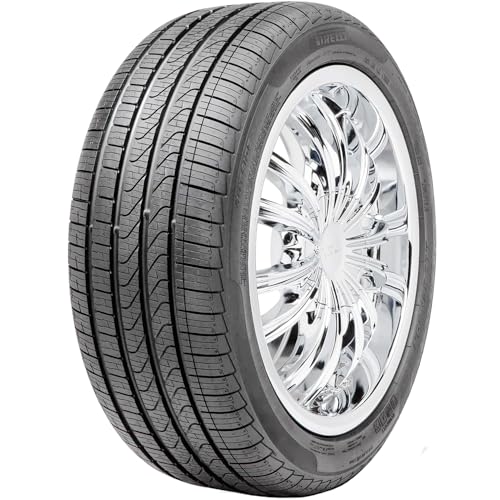
What We Like
- All-season radial construction for year-round use
- Run-flat capability for continued mobility after puncture
Trade-offs
- Smaller 24.4-inch diameter limits wheel well fitment
- Narrower 7.9-inch width than many performance tires
At 21.1 pounds, the Pirelli Cinturato P7 A/S is the lightest tire in this guide, which directly translates to less unsprung weight for better fuel efficiency and more responsive handling on daily commutes. This makes it a prime candidate for drivers of standard passenger sedans and coupes who prioritize a smooth, efficient ride and need the security of run-flat technology without a significant weight penalty. Its all-season rating means reliable traction across varied weather, from summer showers to light winter conditions.
The tire’s 24.4-inch diameter and 7.9-inch width are more compact than other run-flat options, such as the wider Michelin Pilot Sport 4 S ZP. These dimensions correspond to its listed size and intended vehicle class. It fits a specific niche within the passenger car performance tire category.
Product photos
Michelin Primacy 3 ZP

What We Like
- Y speed rating for high-performance driving
- Run-flat (ZP) construction for continued mobility
- Radial construction for stable highway handling
Trade-offs
- 29.5-pound weight is heavy for a passenger tire
- Summer-only compound, not for cold or snowy conditions
- Substantial package dimensions require storage space
A load index of 97 means the Michelin Primacy 3 ZP can carry a substantial load, a key detail for vehicles often filled with passengers and gear. Its Y speed rating confirms a design focused on high-performance driving. This run-flat tire is built for sedans and coupes driven actively in warm conditions.
The product’s description specifies it as a summer tire, so it is not intended for use in cold or icy conditions. Weighing 29.5 pounds, its construction is typical for a run-flat design. You select this tire for its warm-weather traction and run-flat capability, not for winter use or a soft ride.
Product photos
How We Evaluated Run Flat Tires
We started with manufacturer specifications and published tire standards, then compared them with owner feedback patterns and expert guidance on the pros and cons of run-flat tires. That mix helped separate tires that merely advertise emergency mobility from tires whose load index, speed rating, and tread design support it.
For this category, reinforced sidewall construction mattered most because it is the feature that lets a deflated tire carry vehicle weight. We also prioritized size fitment, all-season or seasonal traction, and tread life, since run-flat tires often trade comfort and repairability for post-puncture mobility.
The limit of a research-led guide is that real roads vary. A tire can have strong specs but still feel harsh on your rims, suspension, or local roads, so match the tire to your vehicle and driving conditions before choosing.
What To Look For In Run Flat Tires
Choosing the right run-flat tire is a fitment decision first. The same model can be safe on one vehicle and wrong on another because diameter, width, load index, and speed rating have to match the car or SUV.
Look for reinforced sidewalls, correct size, load index, speed rating, and seasonal traction. Check TPMS compatibility, tread life, ride comfort, and whether your local service options can replace or repair the tire after a puncture. Run-flat benefits are strongest when the tire matches the vehicle’s weight, wheel size, and climate.
Fitment And Load Capacity
Match the exact size before anything else. The Michelin Pilot Sport 4 S ZP Performance Tire is listed as a 255/30ZR19 with a 91Y Extra Load rating. The Bridgestone Alenza Sport A/S Run-Flat SUV Tire uses a 275/45R20 size and is also built for Extra Load to handle SUV weight capacity. If your vehicle calls for a specific BMW setup, compare BMW run-flat tire options before assuming a passenger car tire will fit.
Climate And Traction
All-season run flats can work in light snow, but not all are winter capable. The Pirelli Cinturato P7 All Season Run Flat Tire has all-season radial construction and an H speed rating for sustained highway travel. For longer tread life, the Bridgestone DriveGuard All Season Passenger Tire uses an all-season design with enhanced heat dispersal. The Pirelli Cinturato P7 A/S All Season Run Flat is a lighter all-season choice for sedans and coupes, while the Michelin Primacy 3 ZP is a summer-only option with a Y speed rating for warm-weather performance.
For drivers in colder regions, run-flat snow tires are a different category because snow and ice traction changes the priority.
Ride Comfort, Repairability, And Longevity
Run-flat sidewalls trade comfort for control. Heavier construction can add unsprung mass and may affect fuel efficiency, while stiffer sidewalls can increase road noise. The Pirelli Cinturato P7 All Season Run Flat Tire is listed at 22.0 lb, while the Continental ContiProContact SSR Run Flat Tire is listed at 27.8 lb and offers up to 80,000-mile treadwear coverage.
Repairability is another limit. Most run-flat brands recommend replacement rather than repair after a puncture because the sidewall may be compromised even if the exterior looks fine. Replace them in pairs or as a full set to keep handling balanced, and use TPMS to catch slow leaks before the tire reaches its emergency limit.
- Confirm the exact size, load index, and speed rating on your vehicle placard or tire sidewall.
- Look for sidewall codes such as ZPS, SSR, ROF, or Run-Flat before assuming a tire is compatible.
- Check whether local tire shops can service the model you choose.
- Compare tread life and warranty requirements, including speed-rating conditions on some warranties.
- Review ride comfort notes, because reinforced sidewalls can feel firmer than conventional tires.
If you must choose one factor, choose exact fitment first; a run-flat tire only helps if it is the right size, load rating, and speed rating for your vehicle.
Run Flat Tires Compared
The comparison below lines up the seven picks by award, best use, and key strengths so you can scan fitment and performance differences quickly.
| Product | Tire Type | Size | Weight |
|---|---|---|---|
| Bridgestone DriveGuard All Season Passenger Tire | All-season passenger touring | 205/55ZR16 | 21.0 pounds |
| Michelin Pilot Sport 4 S ZP Performance Tire | N/A | 255/30ZR19 | 24.6 pounds |
| Bridgestone Alenza Sport A/S Run-Flat SUV Tire | N/A | 275/45R20 | 39.4 Pounds |
| Pirelli Cinturato P7 All Season Run Flat Tire | All Season Radial | 205/55R17 | 22.0 Pounds |
| Continental ContiProContact SSR Run Flat Tire | N/A | 225/50R17 | 27.8 pounds |
| Pirelli Cinturato P7 A/S All Season Run Flat | All Season Run Flat | 195X55R16 | 21.1 pounds |
| Michelin Primacy 3 ZP | Passenger High Performance Summer | 225/55R17 | 29.5 pounds |
Frequently Asked Questions
Which is the best run flat tire?
The Bridgestone DriveGuard All Season Passenger Tire is our best overall pick because it combines all-season traction, enhanced heat dispersal, a reinforced sidewall, and substantial run-flat range for safe travel after a puncture. It suits passenger car drivers who want year-round mobility without changing a tire on the roadside.
What are the negatives of run-flat tires?
Run-flat tires can feel firmer and noisier than conventional tires because their reinforced sidewalls carry the vehicle after a loss of air pressure. Their heavier construction may affect fuel efficiency slightly, and some shops limit repair options after a puncture. A run-flat range can also have speed limits, such as under 50 MPH on some models.
Is BMW phasing out run-flat tires?
That question depends on the model and market, not on one industry switch. For a BMW, check the tire sidewall for ZPS, SSR, ROF, or Run-Flat and compare the load index and speed rating on the vehicle placard. Some fitments use run flats, while others do not, so the right replacement follows your car’s original specification.
What are the best run flat tire options for the best value?
For value, match the tire to the job instead of chasing a brand. The Bridgestone DriveGuard All Season Passenger Tire is the balanced pick for year-round passenger driving. The Continental ContiProContact SSR Run Flat Tire is strong for drivers prioritizing long tread life and quiet commuting. For SUV load capacity, the Bridgestone Alenza Sport A/S Run-Flat SUV Tire is the focused choice.
Can I mix run flat tires with regular tires?
Mixing run-flat tires with regular tires is highly discouraged. The different sidewall stiffness, weight, and emergency behavior can change handling, stability, and suspension response. It can also confuse Tire Pressure Monitoring System calibration. If one tire must be replaced, match the run-flat type and specifications across the axle or set.
The Bottom Line
The Bridgestone DriveGuard All Season Passenger Tire is the best overall pick for passenger car drivers who want all-season traction, a reinforced sidewall, and substantial mobility after a puncture. It is the strongest balance of everyday use and emergency confidence in this group of seven.
If your need is narrower, choose the award that matches it. The Michelin Pilot Sport 4 S ZP Performance Tire fits extra-load performance setups. The Bridgestone Alenza Sport A/S Run-Flat SUV Tire serves SUV weight capacity, and the Continental ContiProContact SSR Run Flat Tire targets long tread life for commuting.
The single most important factor is exact fitment. A run-flat tire has to match your vehicle’s size, load index, speed rating, and seasonal needs before any other benefit matters.
