
10 Best Tires in 2026
This post contains affiliate links. As an Amazon Associate, we earn from qualifying purchases.
The best tire for most drivers is the Continental ExtremeContact DWS06 PLUS for its sharp handling and confident performance in dry, wet, and light snow conditions. For a dedicated all-weather option, the Michelin CrossClimate2 excels, while the Michelin Defender2 is the choice for maximum tread life. Your tire is the single most important safety and performance component on your vehicle. The right choice depends on your climate, vehicle, and driving priorities.
Top 10 Tires in the Market
Certain content that appears on this site comes from Amazon. This content is provided "as is" and is subject to change or removal at any time.
The Best Tires, Reviewed
Continental ExtremeContact DWS06 PLUS Tire

What We Like
- SportPlus Technology for responsive handling
- Short braking distances in wet and dry
- Strong snow and ice performance
- D, W, S wear indicators for condition monitoring
Trade-offs
- The Ultra High Performance (UHP) focus may prioritize grip over maximum tread life compared to a dedicated touring tire.
- XL (Extra Load) construction trades a firmer ride for higher load capacity.
Continental’s SportPlus Technology delivers responsive handling and stellar grip on both dry and wet roads, providing a performance-car feel from an all-season tire. The tuned D, W, and S indicators within the tread offer a visual check on remaining capability as it wears. Drivers can see when performance in dry, wet, or snow conditions begins to diminish. This combination makes it a tire for those who want a communicative, sporty daily driver that still handles winter conditions.
This focus on grip and handling comes with a weight of 22.0 pounds for the 245/40ZR18 size, which contributes to its stable feel but adds to unsprung mass. Its tread life coverage is listed as up to 50,000 miles, a balance for a performance-oriented all-season. The result is a complete performance envelope for drivers who prioritize engagement over maximum longevity alone.
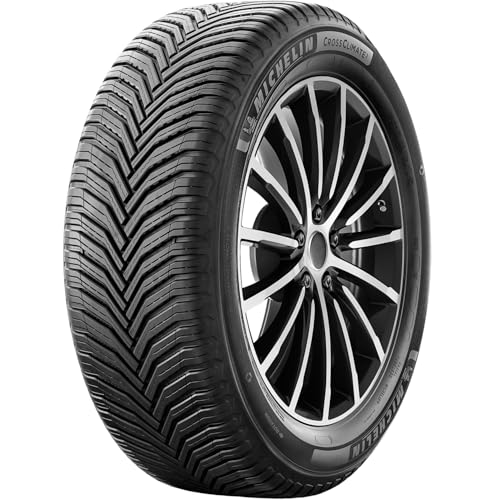
Michelin CrossClimate2 All-Weather Tire
What We Like
- 3PMSF certification for proven snow performance
- Excellent wet and dry braking from expert tests
- Confident year-round performance in all climates
Trade-offs
- Can understeer stubbornly on dry autocross courses
- Firm, jumpy reaction over large road impacts
- Notably loud on smooth pavement surfaces
The Michelin CrossClimate2’s 3PMSF certification means it’s legally qualified for severe snow service, a rare feat for an all-weather tire. Research shows it swept wet traction tests, giving drivers a clear safety margin in the rain. That wet grip, combined with its proven snow capability, makes it the definitive choice for someone who needs a single tire to handle all four seasons confidently, without swapping for winter. Its tread life is also a step above the average, promising more miles before replacement.
That capability comes with some on-road compromises. Expert feedback notes a firm ride and noticeable road noise on smooth surfaces, which means comfort takes a backseat to all-weather grip. In spirited dry driving, reviewers report it tends to push its front end instead of rotating smoothly. For a more traditional all-season option, the Michelin Defender2 is listed in the same category.
Michelin Defender2 All-Season Tire

What We Like
- Completely redesigned for increased tread life
- Delivers stopping power in bad weather
- All-season performance for driving confidence
Trade-offs
- Specific model (09818) fits only 235/65R18 size
- At 31.4 lb, it's a heavier passenger tire
The Defender2 is Michelin’s longest-lasting tire. This translates directly into fewer replacements and long-term value for drivers who prioritize mileage above all else. Its redesigned all-season compound and pattern are engineered to deliver confident stopping power in wet conditions. That makes it a solid, durable choice for CUV, SUV, and minivan owners who want a set-it-and-forget-it tire for daily commuting and family trips.
Michelin describes the Defender2 as its longest-lasting tire, completely redesigned for increased tread life. This all-season tire is built to deliver stopping power for driving confidence even in bad weather conditions, positioning it as a durable workhorse for highway miles.
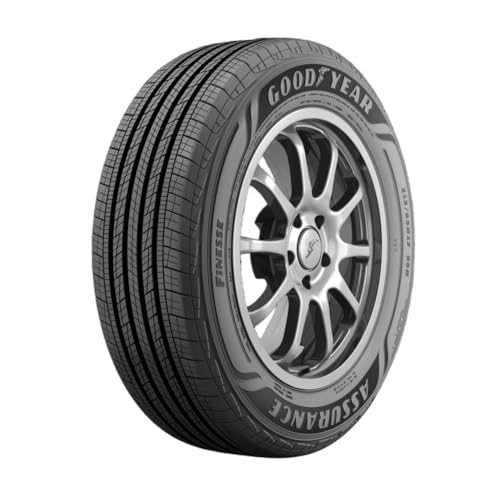
Goodyear Assurance Finesse All-Season Tire
What We Like
- Patented tread pattern for a quiet, comfortable ride
- Efficient fuel-saving compound reduces rolling resistance
- Provides reliable grip in wet, dry, and light snow conditions
- Optimized contact area promotes long tread life
Trade-offs
- Snow braking performance barely better than a standard all-season tire
Goodyear’s fuel-saving tread compound and patented pattern deliver exactly what the name promises: assurance through a comfortable, quiet, and efficient ride. This tire is built for drivers who prioritize a smooth daily commute and lower fuel consumption over aggressive all-weather capability. It handles dry and wet roads with competent, above-average grip, making it a solid choice for mainstream sedans and crossovers in regions with mild winters.
Snow braking performance was barely better than a standard all-season tire in research, a significant limitation for winter driving. The Goodyear Assurance Finesse delivers a quiet, comfortable ride and efficient, eco-friendly mileage from its low rolling resistance design. It performed well in dry conditions and was sure-footed in the wet, making it a refined choice for typical all-season use where severe snow is rare.
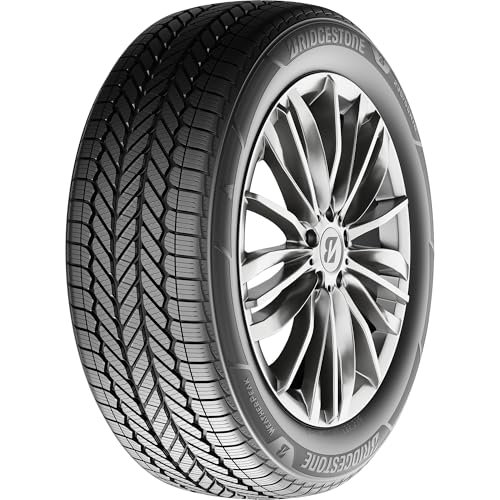
Bridgestone WeatherPeak All-Weather Tire
What We Like
- Exceptional snow acceleration and braking
- Quiet 65-decibel cabin noise at speed
- Evolving sipes maintain wet and snow traction
- Open shoulder slots for excellent wet grip
Trade-offs
- Tendency to wander and tramline on highways
The Three Peak Mountain Snowflake certification isn’t just a badge; it translates to the quickest acceleration and shortest stops on snow in expert testing. This makes the WeatherPeak the closest thing to a dedicated winter tire without the seasonal swap. If your primary concern is navigating moderate to severe winter conditions with confidence, and you value a notably quiet and comfortable ride, this tire’s snow vices and full-depth sipes deliver.
That snow dominance comes with a trade-off in warmer months. Its softer, snow-focused tread can feel squirmy, leading to some highway wander. For drivers who see more dry roads than white ones, the Continental ExtremeContact DWS06 PLUS offers a more balanced all-weather performance.
Goodyear Wrangler Adventure All-Terrain Tire

What We Like
- Kevlar construction for rugged strength.
- Durawall Technology resists sidewall cuts.
- Traction ridges clear mud and snow effectively.
- Long 60,000-mile treadwear warranty.
Trade-offs
- Weighs 38 pounds, increasing unsprung mass.
- Snowflake rating is for select LT sizes only.
The inclusion of DuPont Kevlar and Durawall Technology gives this tire a legitimate toughness edge against trail debris and sidewall punctures. That makes it a strong pick for SUV and truck drivers who regularly venture off paved roads but still need predictable wet and icy road manners from the all-terrain tread. The 60,000-mile warranty backs up its durability claim for mixed-use driving.
Weighing 38 pounds, this tire is substantially heavier than many all-season passenger tires, which can influence vehicle dynamics and fuel efficiency. That mass comes from features like Durawall Technology, designed to resist sidewall cuts and punctures for off-road durability. Compared to the 31.4-pound Michelin Defender2, the Wrangler Adventure’s construction prioritizes toughness over lightweight design.
Product photos
Pirelli Diablo Rosso II Motorcycle Tire

What We Like
- Dual-compound design extends center wear life.
- Asymmetric tread displaces water for wet traction.
- Softer shoulder compound increases cornering grip.
- Developed profile improves stability when leaning.
Trade-offs
- Harder center compound prioritizes longevity over maximum grip
- Asymmetric tread design focuses on water displacement and cornering
The Pirelli Diablo Rosso II uses a dual-compound construction, placing a harder rubber in the center for mileage and a softer compound on the shoulders for grip. This is the core of a sport-touring tire designed for riders who push corners on weekends but also rack up miles on straights. Its asymmetric tread pattern actively channels water away, providing a confident safety margin when the pavement gets wet. You get a tire that communicates well during aggressive leans while still being practical enough for longer rides.
Designed for sport and touring bikes, the Diablo Rosso II provides exceptional handling and grip on both wet and dry surfaces, making it a versatile choice for daily commutes and spirited rides. Its entire construction is focused on motorcycle performance, unlike a passenger car tire such as the Continental ExtremeContact DWS06 PLUS. This specialization means it makes no compromises for all-season passenger car duties, which is exactly the point for its intended rider.
Product photos
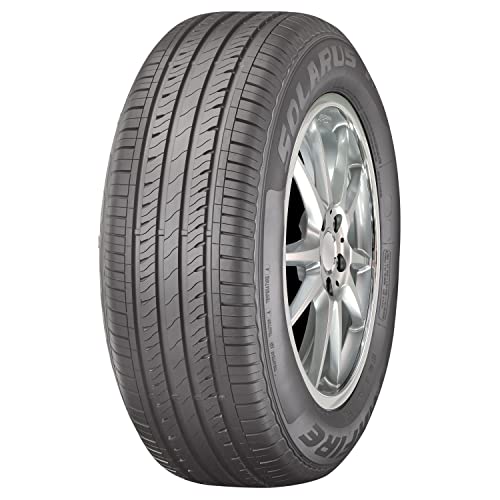
Starfire Solarus AS All-Season Tire
What We Like
- Backed by a 50,000-mile warranty
- M+S rated for mud and snow traction
- Designed for fuel economy
- Built by a major tire manufacturer
Trade-offs
- Touring focus limits extreme weather performance
A 50,000-mile warranty signals a tire built for longevity, giving you years of predictable service. This is a straightforward all-season touring tire from Cooper, aimed squarely at drivers who want reliable daily mileage, decent all-weather traction, and better fuel economy without chasing premium features. It’s a sensible choice for the driver who views tires as a maintenance item, not a performance upgrade.
With a 50,000-mile warranty, this tire is built for drivers who prioritize long-term value and predictable replacement intervals. Its touring-class, M+S-rated all-season design from Cooper Tire focuses on competent handling for daily commutes and family trips rather than extreme conditions. The construction aims to balance mileage, traction, and fuel economy as a straightforward choice within its category.
Product photos
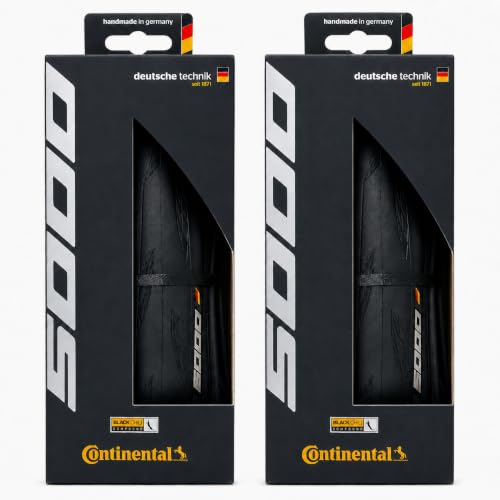
Continental Grand Prix 5000 Road Bike Tire
What We Like
- Vectran Breaker provides cut protection without weight penalty
- BlackChili Compound balances grip and low rolling resistance
- Lazer Grip shoulders offer confident cornering traction
- Active Comfort Technology smooths out rough pavement vibrations
Trade-offs
- Clincher design requires a separate inner tube for use
The Vectran Breaker layer spun from liquid crystal polymer is the core of this tire’s defense, sitting under the tread to shield against punctures without the traditional trade-off in rolling resistance or weight. That makes the Grand Prix 5000 a compelling choice for road cyclists who prioritize flat protection and efficiency on long rides. Its handmade 330 TPI casing with Active Comfort Technology further supports this, damping road vibrations to reduce fatigue. This is a tire engineered for riders who want to push pace without constantly worrying about debris.
This tire’s clincher design requires a compatible hooked rim and an inner tube. Unlike a heavy-duty all-weather car tire such as the Michelin CrossClimate2, it is built for a different purpose. The laser-cut shoulders and specialized rubber compound prioritize grip when leaning a road bike into corners on pavement. Its engineering focuses on road cycling performance rather than year-round weather traction or supporting a vehicle’s weight.
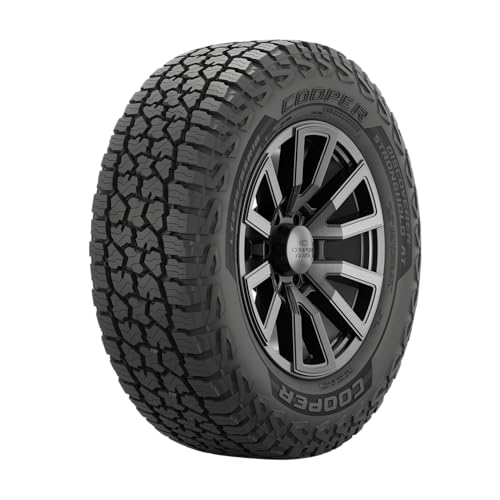
Cooper Discoverer Stronghold AT Tire
What We Like
- Three-Peak Mountain Snowflake severe snow rating
- 3D-sipe technology for tread stability
- Resists tread cracking, tearing, and stone retention
- 45-day test drive for fit verification
Trade-offs
- At 44.2 lb, it's significantly heavier than most passenger tires.
With a Three-Peak Mountain Snowflake certification and textured shoulder edges, this tire is built to claw through harsh winter conditions, not just occasional slush. That severe snow capability, combined with features like 3D siping and a tread designed to resist damage, makes it a genuine tool for trucks and SUVs that regularly face unplowed roads or mixed loose terrain. It’s for the driver who needs predictable winter performance without switching to dedicated snow tires.
With a Severe Snow Designation, this tire is certified for reliable traction in harsh winter conditions. That certification means it’s a legitimate choice for drivers who face snowy roads, not just occasional slush. The design uses textured edges on the shoulders to grab into snow, providing the grip needed when temperatures drop. This focus on winter performance comes alongside its all-terrain build for off-pavement durability.
Product photos
How We Evaluated Tires
Our evaluation is based on manufacturer specifications, documented expert testing from automotive publications, and consistent patterns in verified owner reviews. We focused on performance criteria that directly impact safety and daily driving: wet and dry braking distances, snow and ice traction for relevant tires, tread life projections, and ride comfort characteristics like noise levels.
This approach identifies tires that excel in specific roles, from high-performance tire options to daily commuters. A research-based guide cannot replicate thousands of miles of real-world driving, but it effectively highlights the strengths and trade-offs that define each model.
What To Look For In Tires
Your tire choice is a balance of competing priorities, grip, longevity, comfort, and cost. The goal is to match the tire’s design to your primary driving environment and vehicle type. For a broad selection, you can start your search with our list of the best car tires.
The key is to match the tire type to your climate and driving. For year-round security in snow, look for the Three-Peak Mountain Snowflake (3PMSF) symbol. Prioritize treadwear warranties for longevity, and consider speed ratings that match your vehicle’s capability.
Climate & Traction Needs
Your local weather is the most critical factor. Standard all-season tires are sufficient for most drivers in mild climates, but they are not true winter tires. If you regularly encounter snow and ice, an all-weather tire with the 3PMSF severe snow service rating is a major safety upgrade. These tires, like the Bridgestone WeatherPeak, use specialized rubber compounds and aggressive siping to maintain flexibility in cold temperatures. For drivers in severe winter climates, a dedicated winter tire set remains the gold standard.
Tread Life & Value
Tread life is measured by a Uniform Tire Quality Grade (UTQG) number, where a higher figure suggests longer potential mileage. More telling is the manufacturer’s treadwear warranty, often ranging from 50,000 to 80,000 miles. A long warranty, like the 60,000-mile coverage on the Goodyear Wrangler Adventure, indicates confidence in the compound’s durability. Balancing initial cost with projected lifespan is central to understanding tire value. A premium tire with an 80,000-mile warranty may offer better long-term value than a budget tire that wears out twice as fast.
Vehicle & Driving Style
A tire must be sized correctly for your vehicle’s load capacity, denoted by its load index and speed rating. Performance cars benefit from ultra-high-performance (UHP) designs with stiffer sidewalls for responsive handling, while SUVs and trucks need tires with higher load capacities. For off-road capability, look for all-terrain or mud-terrain designs with reinforced sidewalls, like those with Kevlar or Durawall Technology. Consider your daily commute: a touring tire prioritizes a quiet, comfortable ride and fuel efficiency, while a sport tire focuses on grip and feedback.
- Check your vehicle’s placard (usually inside the driver’s door jamb) for the manufacturer’s recommended tire size and load rating.
- Compare the tire’s speed rating (e.g., V, W, Y) to your vehicle’s top speed capability; a higher rating often indicates a more performance-oriented construction.
- For truck or SUV owners needing capability, review our specific tires for trucks recommendations.
- Note the tire’s weight, as heavier tires can impact fuel economy and acceleration.
Always prioritize safety performance (wet and snow braking) over minor cost savings.
Tires Compared
The table below provides a quick overview of our picks, highlighting their key strengths and intended use.
| Product | Tire Type / Category | Weight | Snow Certification |
|---|---|---|---|
| Continental ExtremeContact DWS06 PLUS Tire | UHP All Season Passenger | 22.0 pounds | N/A |
| Michelin CrossClimate2 All-Weather Tire | All-Weather Passenger SUV | 31.1 pounds | 3PMSF Certified |
| Michelin Defender2 All-Season Tire | All-Season CUV, SUV, Cars | 31.4 Pounds | N/A |
| Goodyear Assurance Finesse All-Season Tire | All-Season | 25.0 Pounds | N/A |
| Bridgestone WeatherPeak All-Weather Tire | All Weather Passenger | 38.0 pounds | Three Peak Mountain Snowflake |
| Goodyear Wrangler Adventure All-Terrain Tire | All-Terrain with Kevlar | 38.0 Pounds | three Peak Mounta |
| Pirelli Diablo Rosso II Motorcycle Tire | Street Motorcycle Sport Tire | N/A | N/A |
| Starfire Solarus AS All-Season Tire | All-Season Touring | 26.0 Pounds | M+S Rated |
| Continental Grand Prix 5000 Road Bike Tire | Clincher road bike tire | 2.0 Pounds | N/A |
| Cooper Discoverer Stronghold AT Tire | All-Terrain LT (Light Truck) | 44.2 pounds | Three-Peak Mountain Snowflake |
Frequently Asked Questions
What tire brand is the best?
No single brand is best for every need. Different manufacturers excel in specific categories. Research consistently shows brands like Michelin and Continental at the top for overall performance and innovation across many tire types, from all-season to ultra-high-performance. Your choice should be based on the specific tire model that fits your vehicle and driving conditions, not just the brand name.
What is the #1 rated tire?
The top-rated tire depends entirely on the category. For a balanced, high-performance all-season tire that handles dry, wet, and light snow conditions well, the Continental ExtremeContact DWS06 PLUS is our best overall pick. For drivers who need certified snow traction without switching tires, the Michelin CrossClimate2 is a top-rated all-weather option.
What are the top 5 best tire brands?
Based on aggregated expert testing and consumer feedback across multiple categories, top-performing tire brands often include Michelin, Continental, Bridgestone, Goodyear, and Pirelli. Each has standout models in specific segments, such as Michelin for touring and all-weather, Continental for performance, and Bridgestone for winter traction.
What brand of tires last the longest?
Tread life varies by model, but brands like Michelin and Continental are known for producing tires with high projected mileage. The Michelin Defender2 is specifically engineered for maximum tread life, backed by a high UTQG wear rating. Longevity also depends heavily on proper inflation, rotation, alignment, and driving habits.
Should I buy all-season or all-weather tires?
Choose all-weather tires if you live in a four-season climate with regular snow and ice, as they carry the Three-Peak Mountain Snowflake (3PMSF) certification for severe snow service. Standard all-season tires are suitable for drivers in regions with mild winters where snow is infrequent. All-weather tires provide a safer year-round solution for those in between, eliminating the need for seasonal tire changes.
The Bottom Line
The Continental ExtremeContact DWS06 PLUS is the best overall tire for drivers who want responsive handling and confident traction in a variety of conditions throughout the year. Its clear wear indicators and strong wet and light snow performance make it a versatile, safety-focused choice.
If your priority is maximum mileage, choose the Michelin Defender2. For budget-conscious commuters, the Starfire Solarus AS offers solid value. Truck and SUV owners needing off-road durability should look to the Goodyear Wrangler Adventure or Cooper Discoverer Stronghold.
Ultimately, the most important factor is matching the tire’s capabilities to your local climate. Never compromise on wet and winter braking performance for the sake of a lower initial cost.
